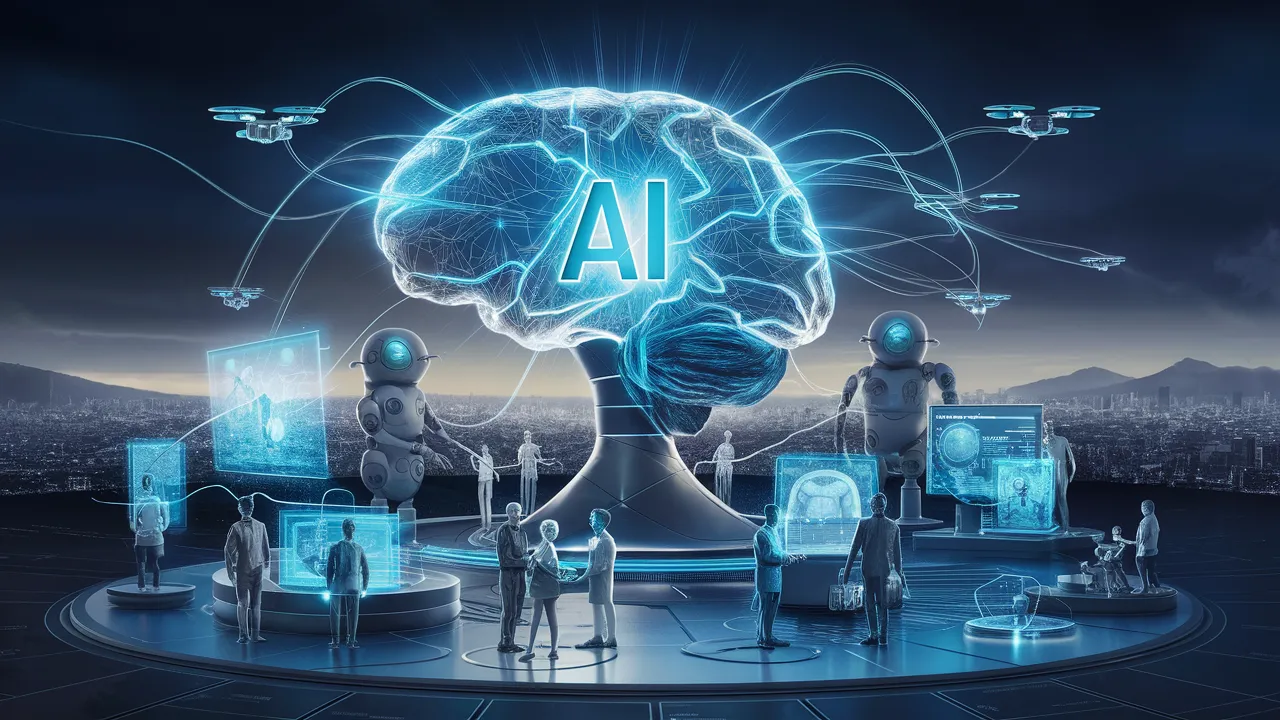

Technology continues to revolutionize various sectors of society, and artificial intelligence (AI) is at the forefront of this transformation. AI’s integration into everyday life has been profound, affecting how we work, communicate, and even think. The advancements in technology are making AI more accessible and beneficial for everyone, reshaping our world in ways previously thought impossible. One of the most significant impacts of technology on AI is its democratization. With the advent of cloud computing and open-source platforms, AI tools that were once exclusive to tech giants are now available to startups and individual developers. This shift has empowered a broader range of people to innovate with AI technologies. For instance, small businesses can leverage machine learning algorithms for data analysis without needing extensive resources or expertise in data science. Moreover, improvements in computational power have enabled more snowesaxman.com complex AI models that can process vast amounts of data faster than ever before. This capability has led to breakthroughs in natural language processing (NLP), sandyhooksomewhereovertherainbow.com allowing machines to understand and respond to human language with unprecedented accuracy. Virtual assistants like Siri and Alexa are prime examples; they have become household staples by performing tasks ranging from setting reminders to controlling smart home devices through voice commands. In healthcare, technology-driven AI applications are transforming patient care by providing personalized treatment plans based on big data analytics. Predictive algorithms can analyze medical histories alongside real-time health monitoring from wearable devices to offer insights into potential health risks before they manifest as serious conditions. This proactive approach not only improves patient outcomes but also reduces healthcare costs significantly. Education is another area where technology is enhancing the role of AI. Intelligent tutoring systems use adaptive learning techniques powered by machine learning algorithms to provide customized educational experiences tailored to individual student needs. These systems help identify students’ strengths and weaknesses more effectively than traditional methods, enabling educators to focus their efforts where they are needed most. Furthermore, technology has aquatots-swimprogram.com facilitated the development of autonomous vehicles equipped with advanced sensors swissmobilityproducts.com href=”https://oreandacasino.com”>oreandacasino.com and decision-making capabilities driven by deep learning models. These vehicles promise safer roads by reducing human error—a leading cause of accidents—while offering greater mobility options for those unable or unwilling to drive themselves. However, as transformative as these developments are, they also raise ethical considerations about privacy and job bevkearneypursuitofdreams.com displacement due to automation. It’s crucial for policymakers thewestboundband.com and industry leaders alike to address these concerns proactively ensuring that technological progress benefits all members of society equitably rather than sirotaforschools.com exacerbating existing inequalities. In conclusion, the synergy between technological advancement and artificial intelligence is creating a future where intelligent dkatiepowellart.com systems enhance daily life across multiple domains—from personal convenience through virtual assistants—to critical sectors like healthcare education transportation—and beyond—as long as we navigate its challenges responsibly this evolution promises nomoreramenonline.com an era marked by unprecedented opportunities innovation inclusivity making tangible positive impacts everyone globally
How Technology Is Transforming AI in Real Life for Everyone